
Observability Platforms: Key Benefits for Modern Infra
Introduction
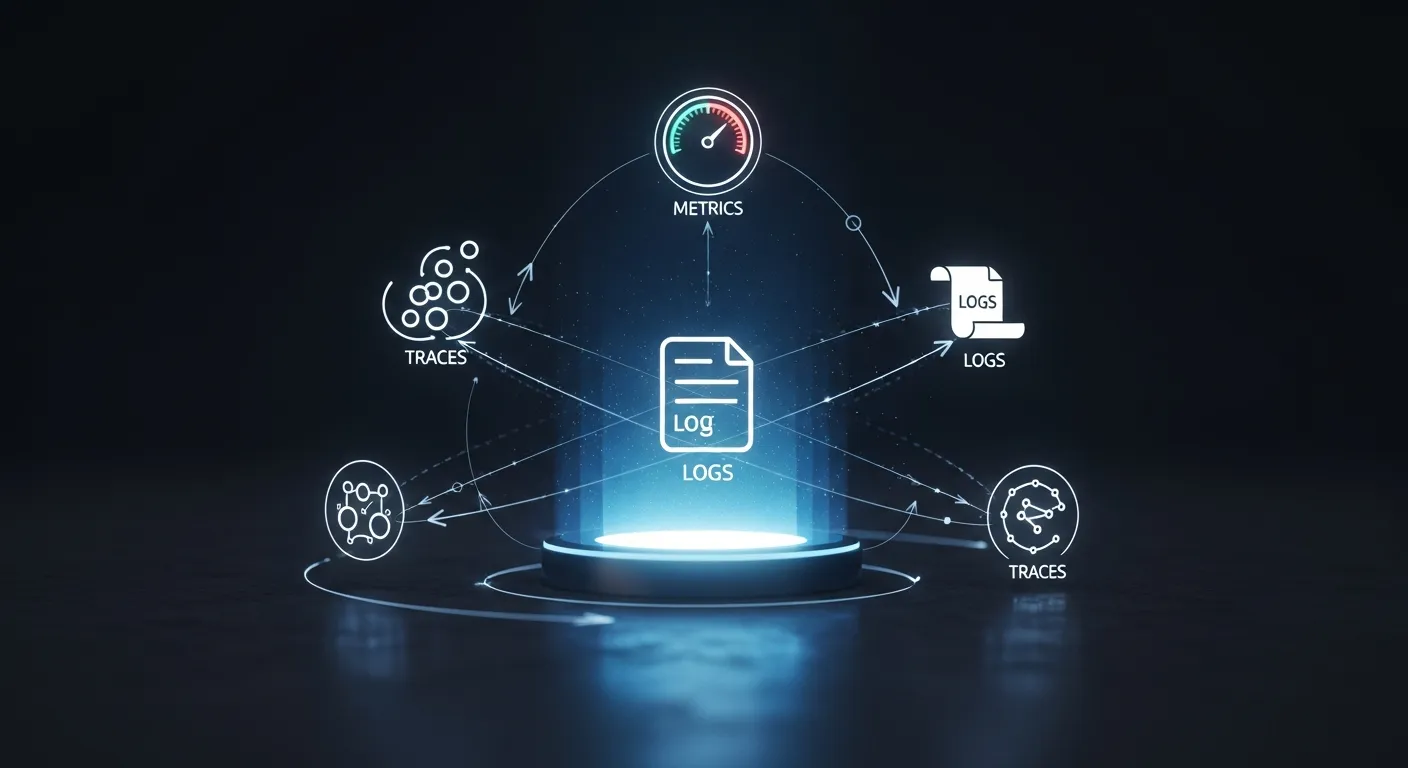
In today's dynamic cloud native environments, traditional monitoring no longer provides the full picture needed to keep services reliable and performant. Observability platforms bring together metrics, logs, traces, and events into a unified view, enabling teams to detect, diagnose, and resolve issues faster than ever before.
Core Concept
Observability is the ability to infer the internal state of a system based on its external outputs. A modern observability platform aggregates telemetry data from diverse sources, enriches it with context, and presents actionable insights through visualizations, alerts, and automated remediation.
Architecture Overview
A typical observability stack consists of data collectors at the edge, a high‑throughput ingestion pipeline, a scalable storage layer, and a query/analysis engine. The platform sits on top of this foundation, providing dashboards, correlation engines, and AI‑driven anomaly detection while exposing APIs for integration with CI/CD and incident response tools.
Key Components
- Telemetry collection agents
- Distributed tracing system
- Log aggregation service
- Metrics time‑series database
- Correlation and analysis engine
- Alerting and incident workflow integration
How It Works
Agents instrument applications, containers, and infrastructure to emit structured data. This data is streamed to a central pipeline where it is normalized, enriched with metadata such as service names and deployment versions, and stored in purpose‑built backends. Users query the data via a unified language or visual UI, while machine learning models continuously scan for outliers and trigger alerts when predefined thresholds or patterns are breached.
Use Cases
- Root cause analysis of latency spikes across microservices
- Capacity planning based on historical usage trends
- Automated rollback triggered by anomaly detection in production
- Compliance reporting through immutable log archives
- Real‑time SLO monitoring for site reliability engineering
Advantages
- Faster mean time to detection and resolution
- Holistic view across distributed components
- Reduced operational overhead through automation
- Improved collaboration between dev, ops, and security teams
- Data‑driven decision making for performance tuning and cost optimization
Limitations
- High storage and processing costs for large telemetry volumes
- Complexity in instrumenting legacy systems
- Potential signal overload without proper alert tuning
- Learning curve for teams new to unified observability concepts
Comparison
Compared with traditional siloed monitoring, observability platforms provide end‑to‑end context, enabling correlation of metrics, logs, and traces. While APM tools focus on application performance, full observability solutions extend visibility to infrastructure, network, and business metrics, delivering a more comprehensive picture.
Performance Considerations
Design the ingestion pipeline for back‑pressure handling and horizontal scaling. Use sampling strategies for high‑frequency traces to balance fidelity and cost. Leverage tiered storage to keep recent hot data on SSDs while archiving older data to cheaper object stores.
Security Considerations
Encrypt telemetry in transit and at rest. Apply fine‑grained access controls to restrict sensitive log fields. Implement data retention policies to comply with regulatory requirements and minimize exposure of historic secrets.
Future Trends
By 2026 observability platforms will embed generative AI to automatically write runbooks, predict capacity needs, and suggest remediation steps. Edge computing will push collectors further into the network, while open telemetry standards will drive vendor‑agnostic data pipelines and tighter integration with policy‑as‑code frameworks.
Conclusion
Observability platforms have become a strategic asset for organizations running modern, distributed infrastructure. By unifying telemetry, automating analysis, and fostering cross‑functional collaboration, they empower teams to deliver resilient, high‑performing services while controlling costs and meeting compliance goals.