
Why Serverless Functions Are Transforming Backend Development
Introduction
Serverless functions have emerged as a game changer for developers building backend services. By abstracting away server management, they let teams focus on business logic while the cloud provider handles capacity, scaling, and maintenance.
Core Concept
At its core a serverless function is a small piece of code that runs in response to an event. The function lives only for the duration of the request, after which the runtime environment is reclaimed, eliminating the need for long‑running servers.
Architecture Overview
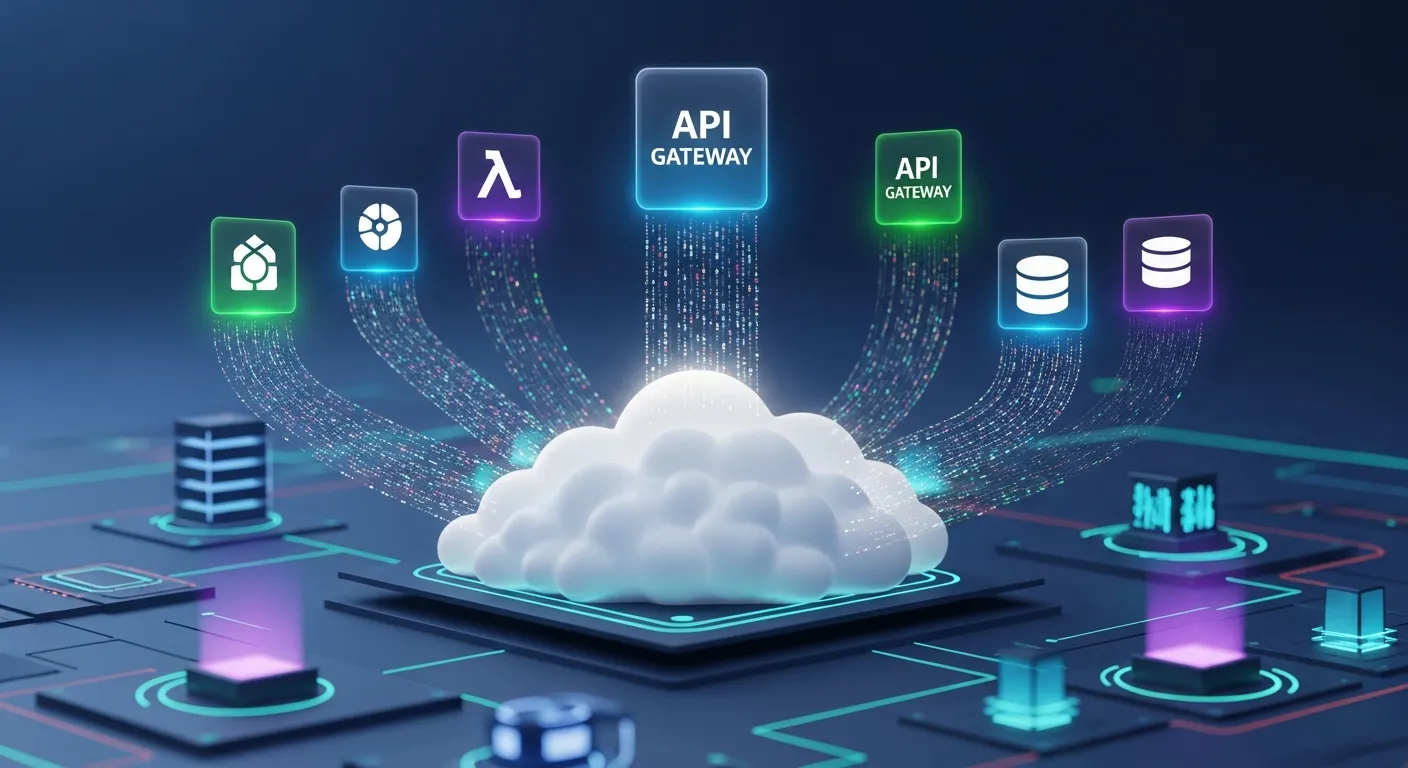
In a typical serverless architecture a function is triggered by an event source such as an HTTP request, a message queue, or a scheduled timer. The cloud platform provisions a container, executes the code, returns the result, and then tears down the container. Supporting services like API gateways, authentication layers, and databases remain fully managed, creating a highly decoupled system.
Key Components
- Function as a Service
- Event Triggers
- Managed Runtime
- API Gateway Integration
How It Works
When an event arrives the platform selects an idle execution environment or spins up a new one. The function code is loaded, the event payload is passed, and the runtime executes the handler. After completion the environment may be reused for subsequent invocations, reducing latency for warm starts. Billing is measured in milliseconds of execution time and the amount of memory allocated.
Use Cases
- Webhooks processing
- Image thumbnail generation
- Real‑time data validation
- Scheduled maintenance tasks
Advantages
- Zero server provisioning and patching reduces operational overhead
- Automatic scaling handles unpredictable traffic spikes without manual intervention
- Pay‑as‑you‑go pricing aligns cost directly with actual usage
- Faster development cycles because developers deploy single functions instead of full stacks
- Built‑in high availability across multiple regions by the cloud provider
Limitations
- Cold start latency can affect performance for infrequently invoked functions
- Limited execution time and memory constraints may not suit heavy compute workloads
- Vendor lock‑in due to proprietary APIs and runtime environments
- Debugging and local testing can be more complex compared to traditional servers
Comparison
Compared with traditional server‑based backends, serverless eliminates the need to manage operating systems, web servers, and load balancers. Containers offer more control over the runtime but still require orchestration and scaling logic. Serverless provides the highest level of abstraction, while containers strike a balance between flexibility and operational responsibility.
Performance Considerations
Cold starts are mitigated by keeping functions warm through scheduled invocations or using provisioned concurrency features. Monitoring tools should track latency, error rates, and throttling. For high‑throughput workloads, consider splitting logic across multiple functions to avoid single‑function bottlenecks.
Security Considerations
Adopt the principle of least privilege by assigning minimal IAM roles to each function. Validate and sanitize all incoming data, use managed secret stores for credentials, and enable built‑in encryption at rest and in transit. Regularly review function permissions to prevent privilege creep.
Future Trends
By 2026 serverless will extend deeper to the edge, allowing functions to run closer to users for ultra‑low latency. Integrated AI services will enable on‑demand model inference within functions, and standardized open source runtimes will reduce vendor lock‑in, fostering a more portable serverless ecosystem.
Conclusion
Serverless functions empower backend teams to deliver scalable, cost‑effective services without the burden of server management. While they introduce considerations around cold starts and vendor dependence, the benefits in agility, operational simplicity, and automatic scaling make them a compelling choice for modern application development.