
Zero-Trust Architecture: Strengthening Cloud Security Today
Introduction
In an era where data breaches and insider threats are commonplace, organizations are turning to zero-trust principles to secure cloud workloads. This article explains why zero-trust is essential for modern cloud environments and how it mitigates risk.
Core Concept
Zero-trust assumes no user, device, or network segment is inherently trustworthy. Every access request is verified, authenticated, and authorized based on context, regardless of its origin.
Architecture Overview
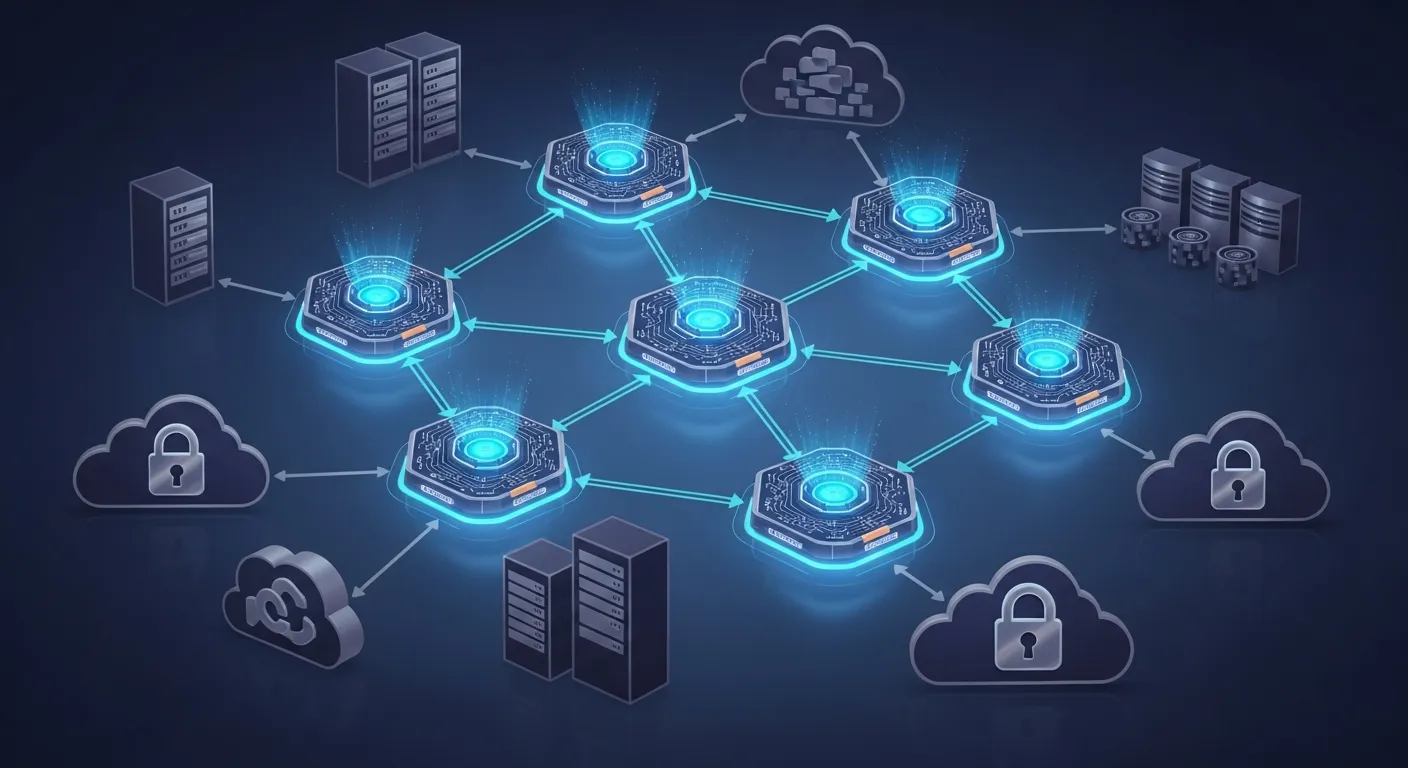
A zero-trust cloud architecture layers identity verification, device health checks, and continuous policy enforcement across all workloads. It replaces perimeter‑based defenses with granular, policy‑driven controls that adapt to changing risk.
Key Components
- Identity and Access Management
- Device Posture Assessment
- Micro‑Segmentation
- Policy Engine
- Continuous Monitoring
How It Works
When a request reaches a cloud resource, the identity provider validates the user, the device posture service checks compliance, and the policy engine evaluates context such as location, time, and behavior. Only if all criteria are met is the request granted, and the session is continuously re‑evaluated.
Use Cases
- Secure multi‑cloud migrations
- Remote workforce access
- Protecting SaaS applications
- Regulatory compliance enforcement
Advantages
- Reduces attack surface through least‑privilege access
- Improves visibility into user and device activity
- Enables consistent security across hybrid clouds
- Facilitates rapid onboarding of new services
Limitations
- Complexity in policy definition and management
- Potential performance overhead if not optimized
- Requires integration with legacy systems for full coverage
Comparison
Unlike traditional perimeter security, zero-trust does not rely on network boundaries. Compared to classic VPN models, it offers dynamic, context‑aware controls and eliminates single points of failure.
Performance Considerations
Implementing zero-trust can introduce latency due to additional authentication steps. Optimizing policy evaluation, caching tokens, and leveraging edge compute can mitigate impact while preserving security.
Security Considerations
Continuous monitoring and automated response are critical. Organizations must ensure that policy engines are regularly updated to address emerging threats and that audit logs are immutable for forensic analysis.
Future Trends
By 2026, AI‑driven risk scoring will augment zero‑trust decisions, while decentralized identity models and secure access service edge (SASE) will merge to provide unified, context‑aware protection across all cloud footprints.
Conclusion
Zero‑trust architecture is no longer a theoretical model but a practical necessity for cloud security. By enforcing continuous verification and granular controls, it empowers organizations to defend against sophisticated threats while supporting agile, multi‑cloud strategies.